Home Insulation Upgrades in Edmonton
Introduction
In Edmonton, insulation is not a cosmetic upgrade — it is one of the most important systems in your home. Long winters, extreme cold, and frequent freeze–thaw cycles put constant pressure on a home’s thermal envelope. When insulation underperforms, the symptoms are immediate and costly: cold rooms, uneven temperatures, high heating bills, moisture problems, and even winter roof damage.
Many homeowners assume these issues are caused by old furnaces or aging windows. In reality, the most common cause is hidden out of sight — insulation that has settled, degraded, or was never installed correctly for Edmonton’s climate.
This guide explains how professional home insulation upgrades work, why Edmonton homes are especially vulnerable to insulation failure, and how the right materials and installation methods can permanently improve comfort and efficiency.
What Is a Home Insulation Upgrade?
A home insulation upgrade involves correcting weaknesses in the building envelope — the barrier that separates your heated living space from the cold outdoors. This process is far more than simply “adding insulation.”
A proper insulation upgrade includes:
- Identifying where heat is escaping
- Sealing air leakage paths
- Installing insulation at the correct depth and density
- Protecting attic ventilation to manage moisture
When done correctly, insulation upgrades control conductive heat loss, convective air movement, and radiant heat transfer, creating a stable and energy-efficient indoor environment.
Why Edmonton Homes Are Especially Vulnerable
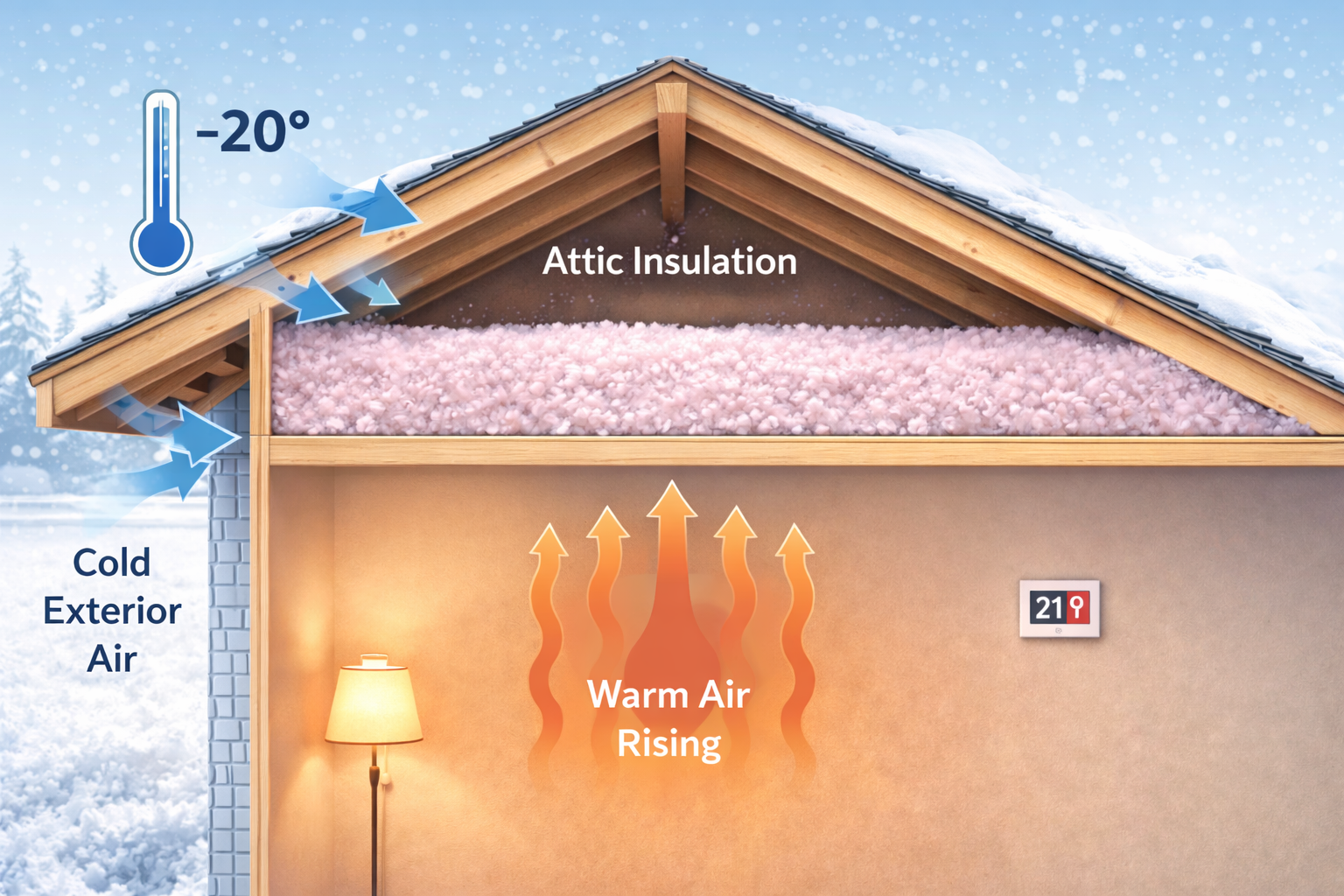
Edmonton’s climate magnifies insulation problems faster than most regions. During winter, the large temperature difference between indoor and outdoor air intensifies the stack effect — warm air rises and escapes through the upper levels of the home, pulling cold air in from below.
At the same time, heavy snow accumulation and prolonged cold temperatures increase the risk of attic condensation and ice dam formation. Homes that may appear adequately insulated in milder climates often struggle severely in Edmonton without professional-grade insulation systems.
Older homes are particularly vulnerable, as insulation standards from previous decades are no longer sufficient for modern energy demands.
The Building Science Behind Heat Loss
Heat naturally moves from warm areas to cold areas. In a home, this happens in three main ways:
- Conduction: Heat traveling through solid materials like drywall, framing, and concrete
- Convection: Heat carried by moving air through gaps and cavities
- Radiation: Heat radiating from warm surfaces to cooler ones
When insulation is missing, compressed, or poorly installed, all three processes occur at once. Warm air escapes into the attic, cold air infiltrates through walls and foundations, and surfaces become cold enough to cause condensation.
Effective insulation upgrades interrupt these pathways and stabilize indoor temperatures.
Attic Insulation: The Highest-Impact Upgrade
Because warm air rises, the attic is the single largest source of heat loss in most Edmonton homes. Even small deficiencies in attic insulation can result in major energy loss over the course of a winter.
A properly insulated attic:
- Keeps the roof deck cold in winter
- Prevents attic rain and frost buildup
- Reduces ice dam formation
- Stabilizes second-floor temperatures
- Lowers furnace runtime
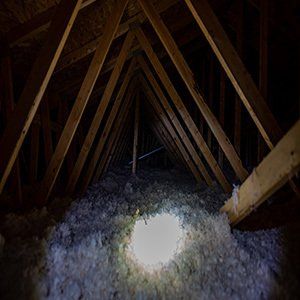
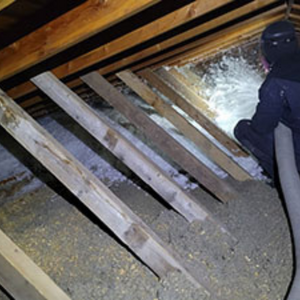
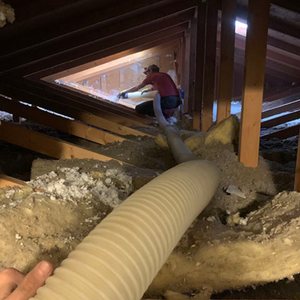
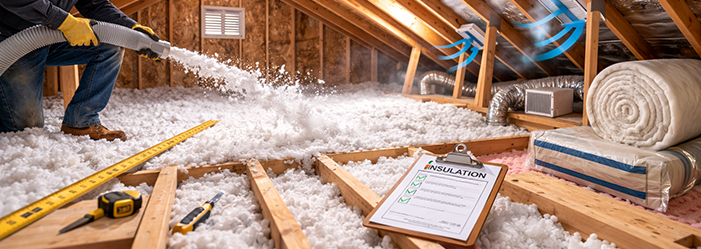
Professional attic upgrades involve sealing air leaks first, installing ventilation baffles to protect soffit airflow, and then applying insulation evenly at the correct depth to achieve long-term performance.
Exterior Wall Insulation and Thermal Bridging
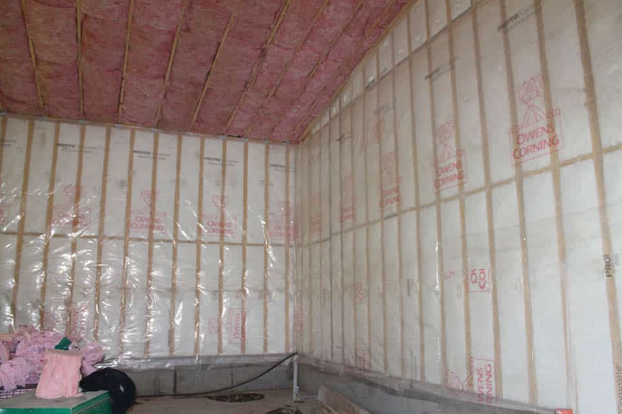
Exterior walls represent the largest exposed surface area of the home. In many houses, wall insulation has settled over time, leaving gaps around wiring, plumbing, and framing.
These gaps create thermal bridges — direct pathways for heat to escape outdoors. Even small voids can significantly reduce overall wall performance and create cold, drafty rooms.
High-density insulation systems fill wall cavities completely, eliminating voids, reducing air infiltration, and improving acoustic comfort.
Basement Insulation and Conductive Heat Loss
Basements are often overlooked, yet they are a major source of heat loss. Concrete foundation walls conduct cold directly from frozen soil into living spaces, making basements uncomfortable and expensive to heat.
Proper basement insulation:
- Stops conductive heat loss
- Improves comfort on upper floors
- Reduces moisture risk
- Makes basements usable year-round
Why Installation Method and Materials Matter
Insulation performance depends heavily on how it is installed. Loose-fill insulation must be applied at the correct density to prevent settling and maintain R-value over time.
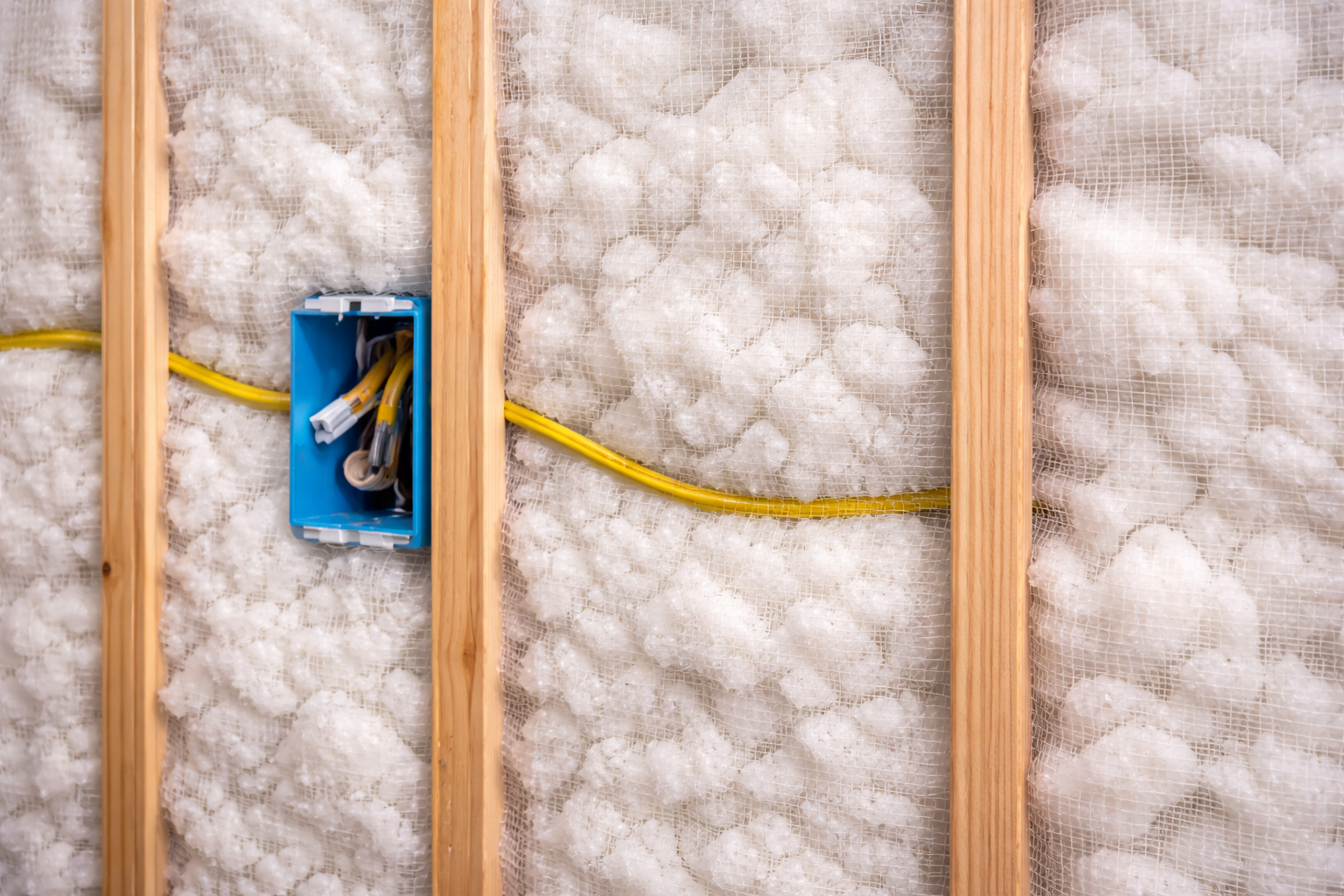
Professional systems such as the Blow-In Blanket System (BIBS) allow insulation to be installed behind secured mesh at calibrated density, eliminating voids and ensuring permanent performance.
Premium materials like Johns Manville Climate Pro® loose-fill fiberglass are engineered for:
- Permanent R-value stability
- Moisture resistance
- Fire safety
- Improved sound control
- No chemical off-gassing concerns
Why Professional Installation Matters
Improper insulation installation can create more problems than it solves. Blocked ventilation, uneven coverage, or compressed material can lead to moisture buildup, ongoing heat loss, and premature failure.
Professional installers understand how insulation interacts with airflow, ventilation, and building assemblies — ensuring the system performs as designed for decades.
What Homeowners Can Expect After an Upgrade
After a professional insulation upgrade, homeowners typically notice:
- Lower heating bills
- More consistent indoor temperatures
- Elimination of cold rooms and drafts
- Reduced moisture and condensation issues
- Improved overall comfort
These benefits are immediate and long-lasting.
Contact Energy Savers Insulation
If your home struggles to stay warm, costs too much to heat, or shows signs of moisture problems, insulation is likely the root cause.
👉 Contact Energy Savers Insulation to schedule a professional insulation assessment and find out exactly where your home is losing energy.